Educational Overview of Vitamins and Nutritional Insights for Men
Explore comprehensive information about vitamins, minerals, and balanced nutrition principles. This educational resource provides scientific insights into natural food sources and dietary awareness.
Educational content only. No promises of outcomes.
Vitamins Overview for Men
Understanding the role of essential vitamins found in everyday foods
Vitamin A
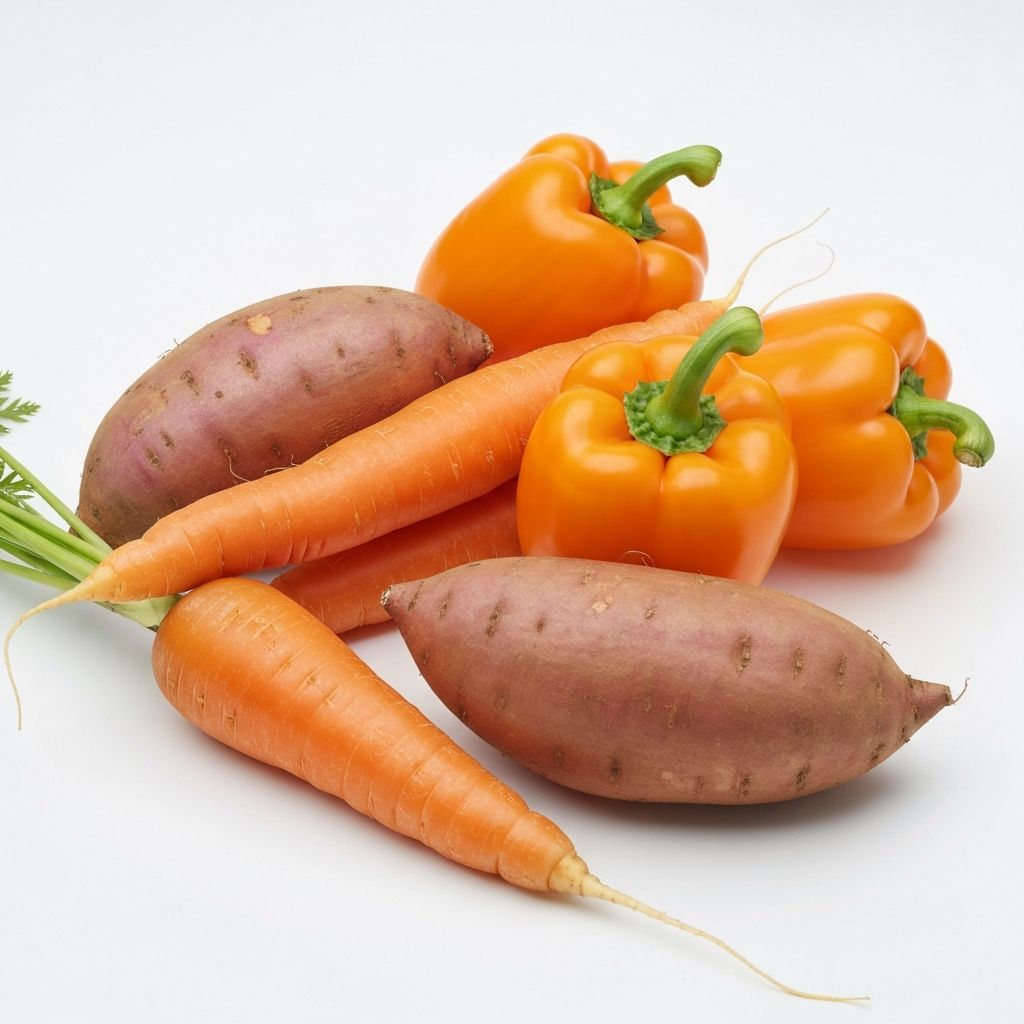
Vitamin A is a fat-soluble nutrient found in various natural food sources. It is commonly present in orange and yellow vegetables such as carrots, sweet potatoes, and pumpkins. Dark leafy greens also contain compounds that the body can convert into vitamin A.
This vitamin plays a role in various bodily functions. Natural sources include dairy products, eggs, and certain types of fish. A balanced diet typically includes adequate amounts of vitamin A through regular consumption of diverse foods.
Vitamin C
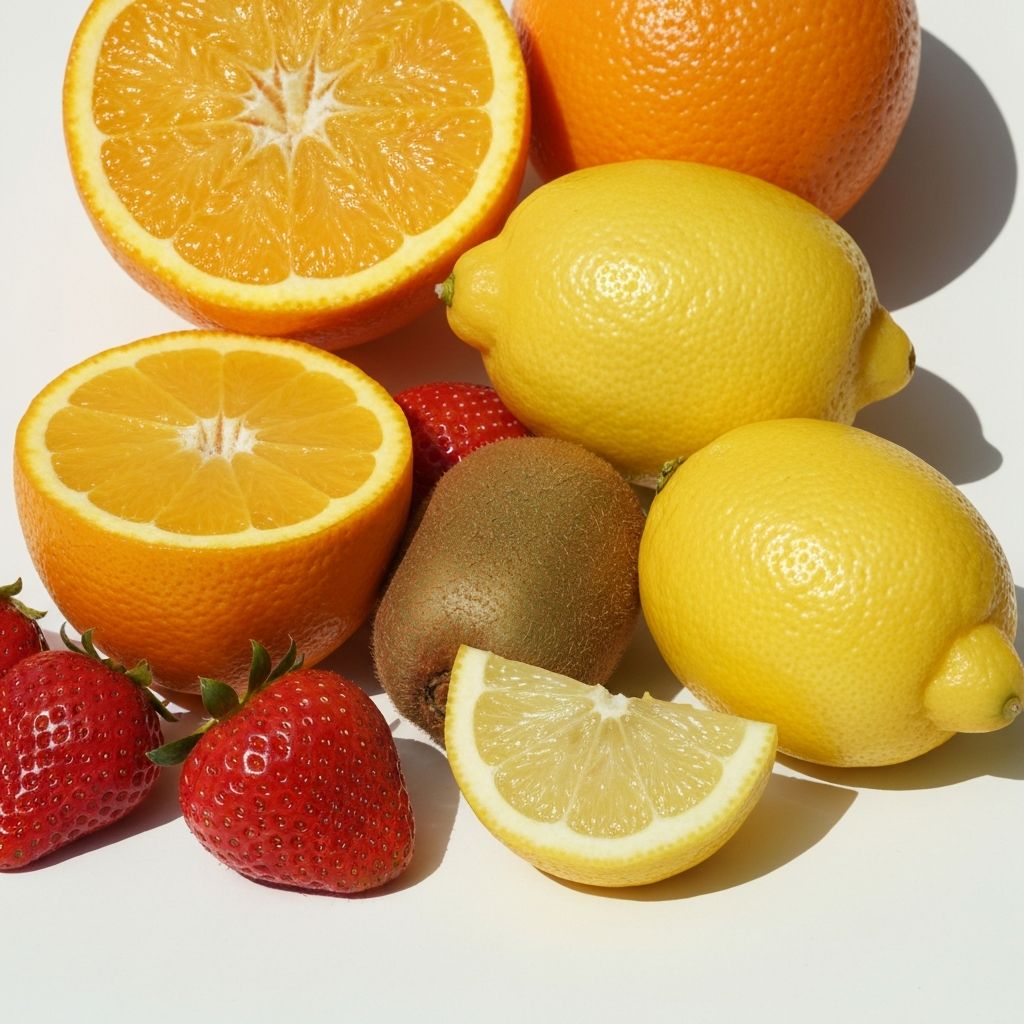
Vitamin C, also known as ascorbic acid, is a water-soluble vitamin found abundantly in fresh fruits and vegetables. Citrus fruits like oranges, lemons, and grapefruits are well-known sources. Other excellent sources include strawberries, kiwi, bell peppers, and broccoli.
This nutrient is sensitive to heat and storage conditions, which is why fresh produce is often recommended. The body does not store vitamin C, making regular dietary intake part of nutritional awareness.

Vitamin D
Vitamin D is unique among vitamins as the body can produce it when skin is exposed to sunlight. This fat-soluble vitamin is also found in certain foods, including fatty fish such as salmon, mackerel, and sardines. Egg yolks and mushrooms exposed to UV light also contain vitamin D.
Geographic location, season, and time spent outdoors can influence natural vitamin D synthesis. Many people obtain this vitamin through a combination of sunlight exposure, diet, and fortified foods. Understanding these sources contributes to nutritional awareness.
Dietary sources provide varying amounts of vitamin D. Fish liver oils historically were recognized as concentrated sources. Modern diets often include fortified products such as plant-based milk alternatives and breakfast cereals.
Daily Nutrient Guidance
General information about nutrient intake awareness
Variety in Food Selection
Consuming a wide range of foods from different food groups helps ensure exposure to various nutrients. This includes vegetables, fruits, whole grains, proteins, and healthy fats.
Understanding Food Labels
Reading nutrition labels can provide information about the nutrient content of packaged foods. Labels typically list vitamins, minerals, and other nutritional components.
Seasonal and Local Produce
Seasonal fruits and vegetables are often harvested at peak ripeness. Local produce may spend less time in transportation, which can affect nutrient retention.
Preparation Methods
Different cooking methods can affect nutrient content. Steaming, roasting, and raw consumption are various approaches. Some nutrients are more stable than others during cooking.
Hydration Awareness
Water intake is an important aspect of daily nutrition. Hydration needs can vary based on activity level, climate, and individual factors.
Natural Food Sources
Exploring nutrient-rich foods found in everyday diets
Leafy Greens
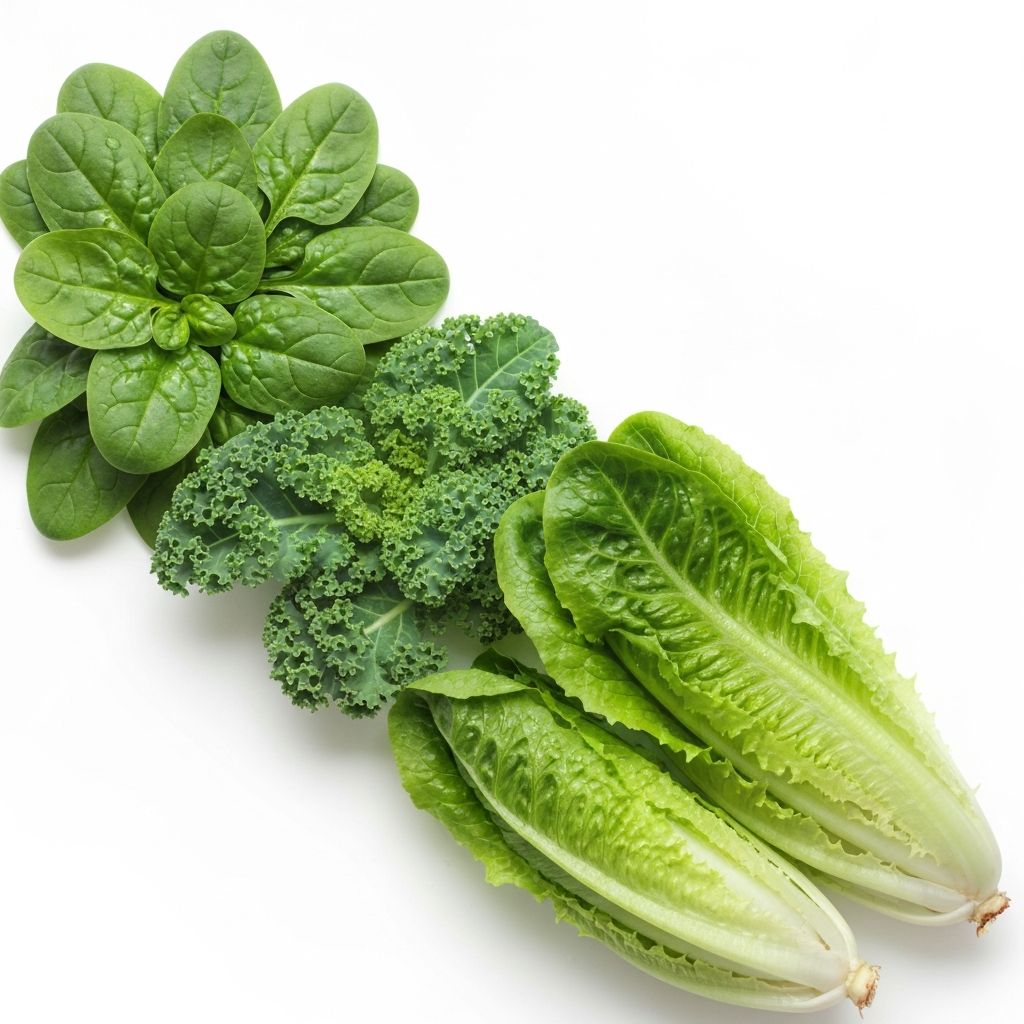
Dark leafy vegetables such as spinach, kale, collard greens, and Swiss chard are nutrient-dense foods. They contain various vitamins and minerals including folate, vitamin K, and iron.
These vegetables can be consumed raw in salads, steamed, sautéed, or added to soups and smoothies. Their versatility makes them easy to incorporate into different meal patterns.
Nuts and Seeds
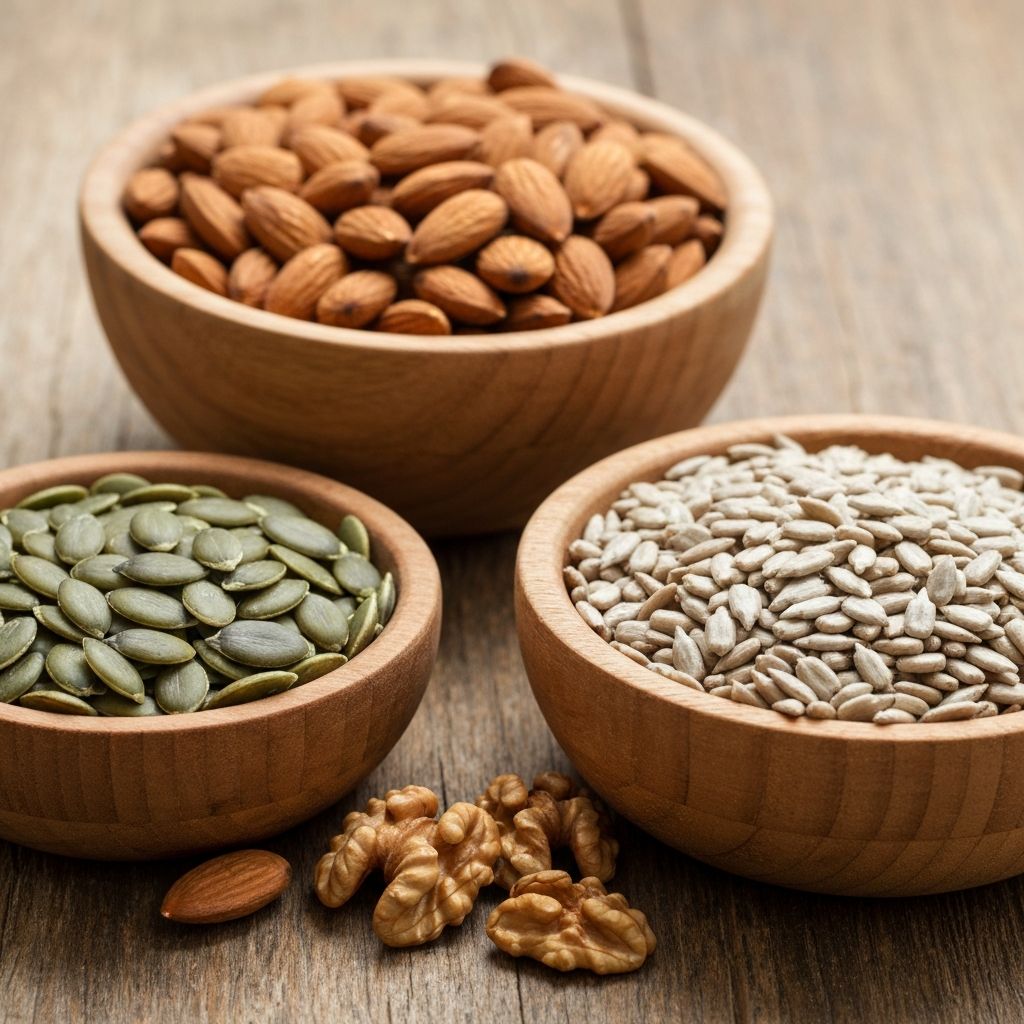
Nuts and seeds provide healthy fats, protein, fiber, and various micronutrients. Almonds, walnuts, sunflower seeds, and pumpkin seeds are common examples. They contain vitamin E, magnesium, and zinc.
These foods can be eaten as snacks, added to oatmeal, yogurt, or salads, or used in cooking and baking. Portion awareness is part of balanced nutrition due to their caloric density.
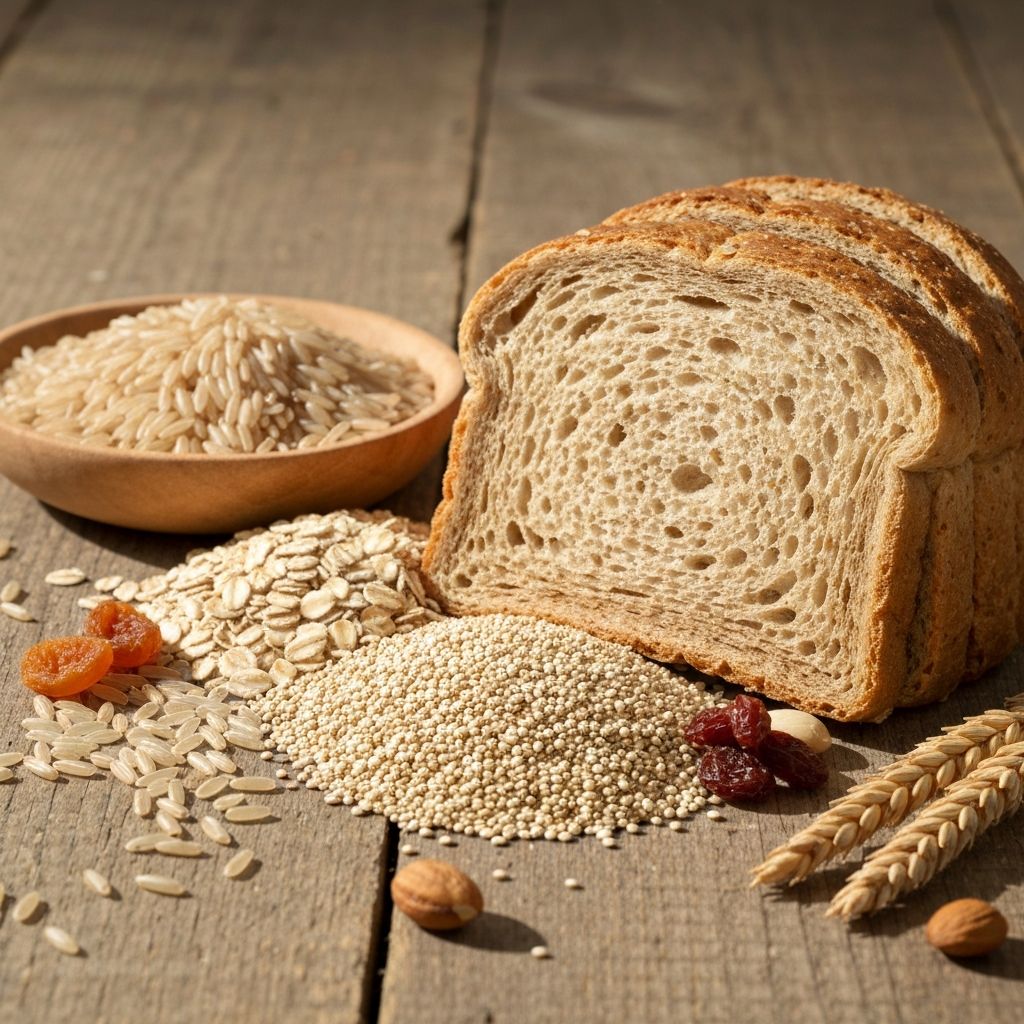
Whole Grains
Whole grains include the entire grain kernel: bran, germ, and endosperm. Examples include brown rice, quinoa, oats, barley, and whole wheat. They provide B vitamins, iron, magnesium, and dietary fiber.
Replacing refined grains with whole grains is a common dietary consideration. Whole grains can be used as side dishes, breakfast cereals, or incorporated into various recipes.
Balanced Diet Infographic
Key components of a nutritionally diverse eating pattern
Macronutrient Balance
A balanced diet typically includes carbohydrates, proteins, and fats in appropriate proportions. Carbohydrates provide energy, proteins support tissue structure, and fats are involved in various physiological processes.
Whole food sources of these macronutrients also provide micronutrients. For example, whole grains provide carbohydrates along with B vitamins and fiber.
Micronutrient Awareness
Micronutrients include vitamins and minerals required in smaller amounts. They play various roles in metabolism, bone health, immune function, and other physiological processes.
A diverse diet with multiple food groups helps ensure exposure to different micronutrients. Colorful fruits and vegetables, lean proteins, whole grains, and healthy fats each contribute unique nutritional profiles.
Fiber Considerations
Dietary fiber is found in plant foods including fruits, vegetables, whole grains, legumes, nuts, and seeds. There are two types: soluble and insoluble fiber, each with different properties.
Adequate fiber intake is associated with digestive health. Food sources provide fiber naturally, whereas refined and processed foods often have reduced fiber content.
Protein Sources
Protein can be obtained from both animal and plant sources. Animal sources include meat, poultry, fish, eggs, and dairy. Plant sources include legumes, lentils, tofu, tempeh, nuts, and seeds.
Different protein sources provide different amino acid profiles and additional nutrients. Combining various protein sources is a common dietary approach.
Seasonal Ingredients
Understanding the rhythm of natural food availability
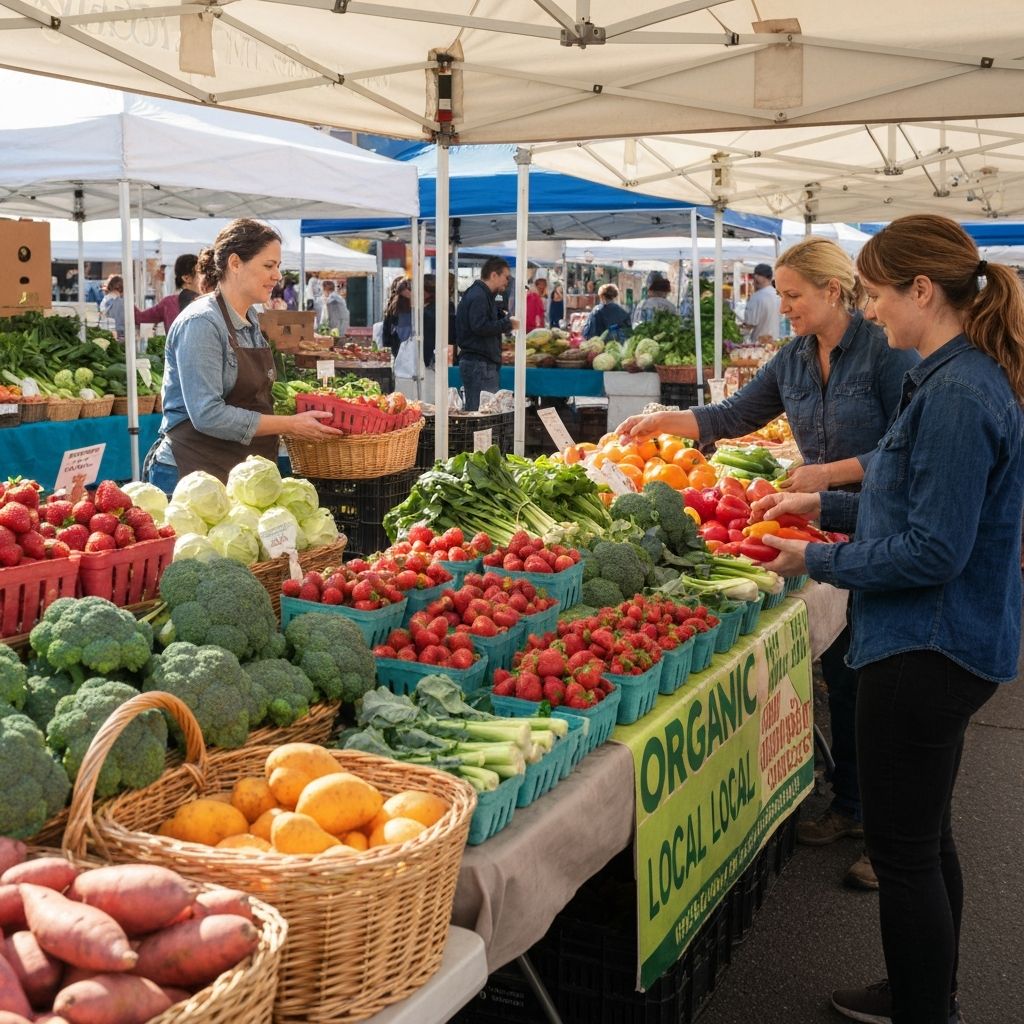
Seasonal Eating Patterns
Throughout history, human diets have been influenced by seasonal availability of foods. In modern times, global supply chains make many foods available year-round, but seasonal produce still offers certain advantages.
Fruits and vegetables harvested in their natural growing season are often at peak ripeness and flavor. Spring might bring asparagus, peas, and strawberries. Summer offers tomatoes, corn, berries, and stone fruits. Autumn provides squashes, apples, and root vegetables. Winter features citrus fruits, cruciferous vegetables, and storage crops.
Farmers markets and local agriculture often reflect seasonal patterns more clearly than large supermarkets. Observing what grows locally and seasonally can be an educational aspect of nutrition awareness.
Seasonal eating is not a requirement but rather an optional approach some people find interesting. It can promote dietary variety throughout the year and support local food systems.
Nutrient Categories
Essential minerals and their natural sources
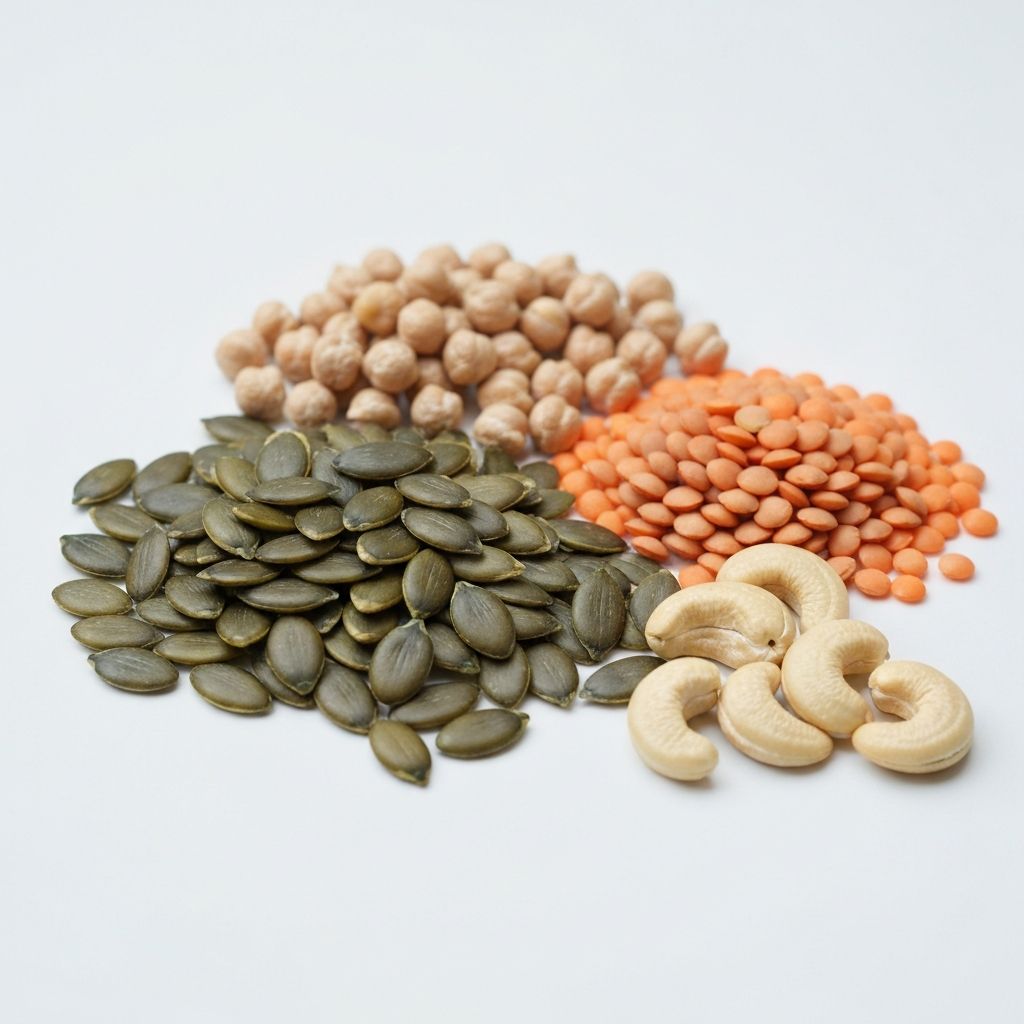
Zinc
Zinc is a trace mineral found in various foods. Good sources include oysters, red meat, poultry, beans, nuts, and whole grains. Pumpkin seeds and chickpeas are plant-based sources.
This mineral is involved in numerous enzymatic reactions in the body. Dietary zinc absorption can be influenced by other dietary components such as phytates found in grains and legumes.
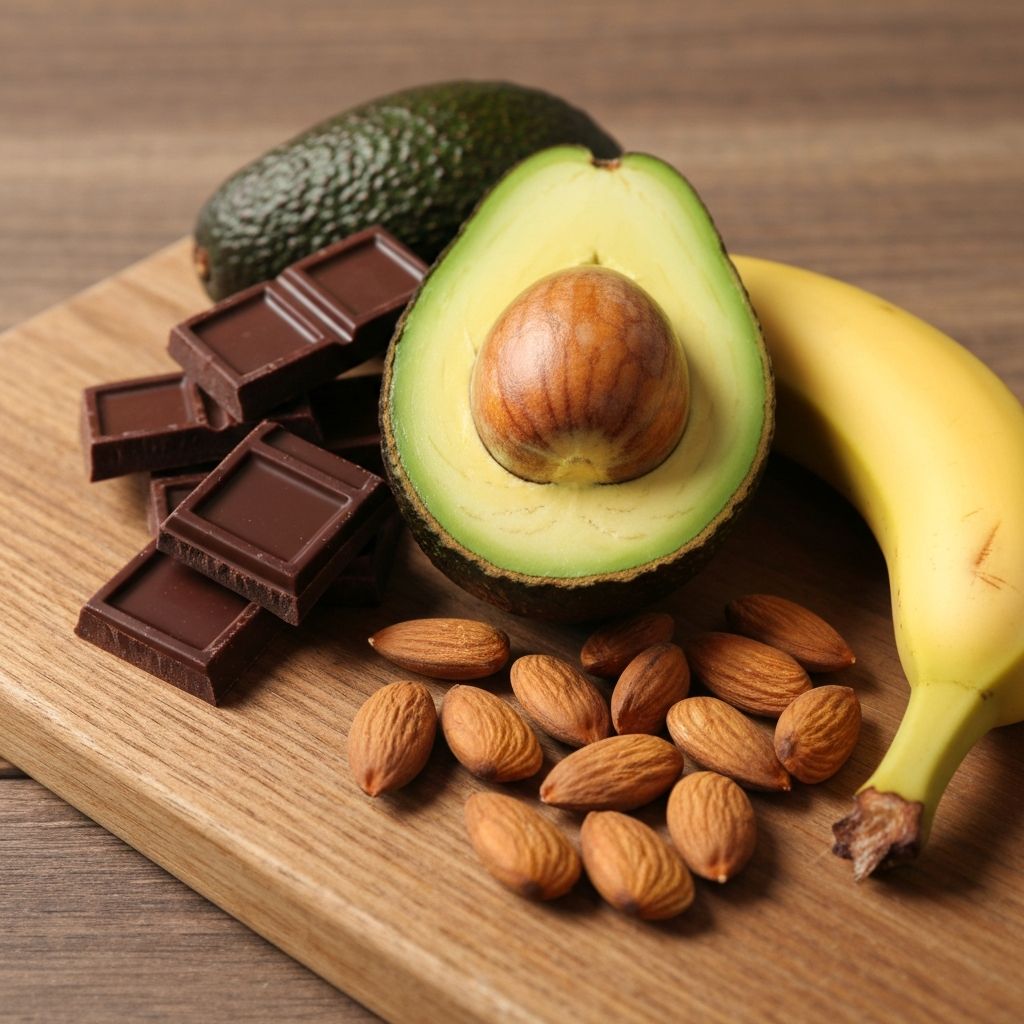
Magnesium
Magnesium is present in green leafy vegetables, nuts, seeds, whole grains, and legumes. Dark chocolate, avocados, and bananas also contain magnesium. It is one of the most abundant minerals in the body.
This mineral participates in over 300 biochemical reactions. Dietary sources provide magnesium in varying amounts. Refined grains have lower magnesium content compared to whole grains.
Iron
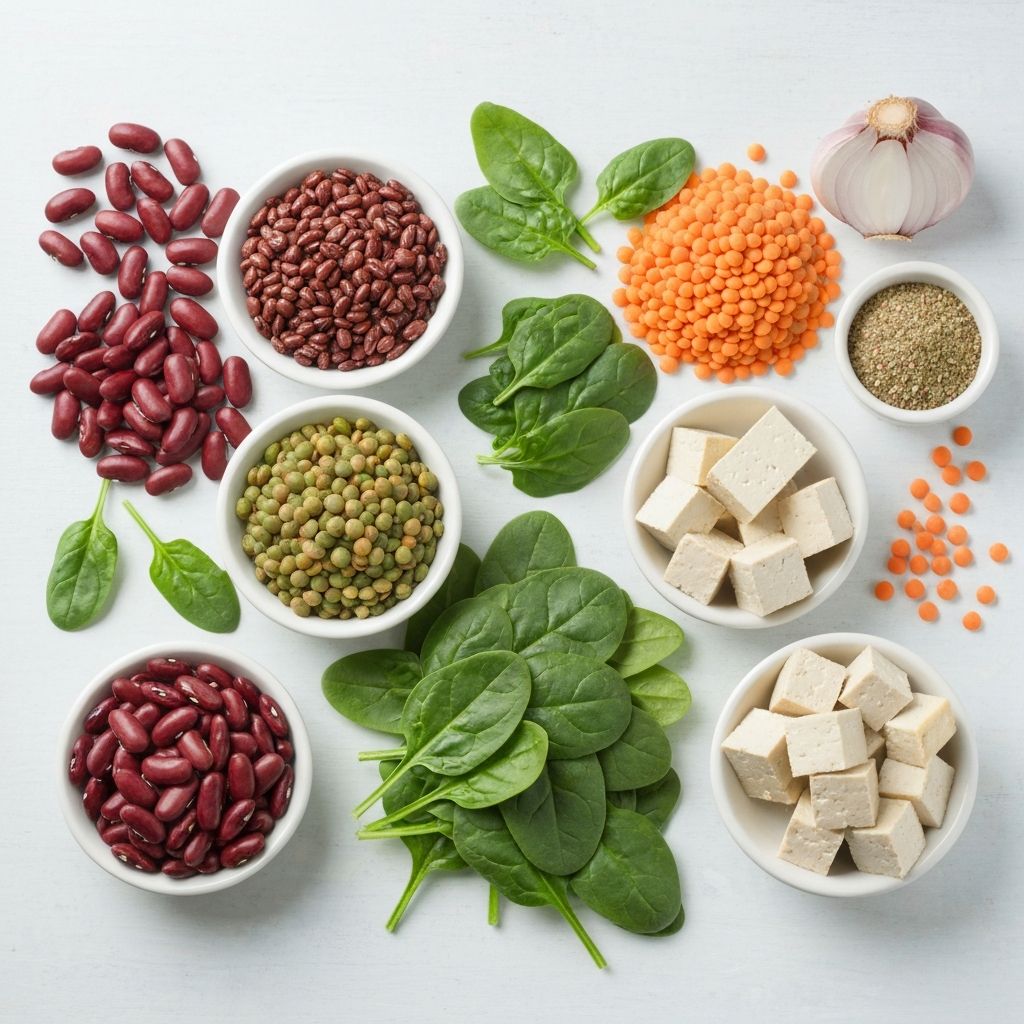
Iron exists in two forms in foods: heme iron from animal sources and non-heme iron from plant sources. Red meat, poultry, and fish provide heme iron. Beans, lentils, spinach, and fortified cereals provide non-heme iron.
Vitamin C can enhance non-heme iron absorption when consumed in the same meal. Iron bioavailability differs between food sources. Understanding these differences is part of nutritional education.
Scientific Insights
Educational perspectives on nutrition research
Nutrient Bioavailability
Bioavailability refers to the proportion of a nutrient that is absorbed and utilized by the body. Not all nutrients consumed are fully absorbed. Factors affecting bioavailability include food matrix, nutrient form, presence of enhancers or inhibitors, and individual digestive function.
For example, the iron in spinach is less bioavailable than iron from meat due to the presence of oxalates and phytates. However, consuming vitamin C-rich foods alongside plant iron sources can improve absorption.
Nutrient Interactions
Nutrients can interact with each other in various ways. Some interactions enhance absorption or function, while others may compete for absorption. Calcium and iron compete for absorption when consumed together in large amounts.
Fat-soluble vitamins require dietary fat for proper absorption. This is why salads with oil-based dressings may enhance carotenoid absorption from vegetables. Understanding these interactions is part of nutritional science education.
Food Processing Effects
Food processing can affect nutrient content in various ways. Some processes may reduce certain nutrients, while others may improve digestibility or nutrient availability. Cooking tomatoes increases the bioavailability of lycopene, a plant compound.
Minimal processing generally preserves more nutrients, but this is not absolute. Freezing vegetables soon after harvest can preserve nutrients better than fresh produce that has been transported long distances and stored for extended periods.
Individual Variation
Nutritional needs and responses can vary among individuals due to factors such as age, sex, activity level, genetics, and health status. What constitutes a balanced diet may look different for different people.
This educational resource provides general information applicable to many people but does not replace individualized guidance. Personal circumstances vary widely, and nutritional education helps people make informed choices within their own context.
Common Misconceptions
Clarifying misunderstandings about nutrition
More is Always Better
There is a common misconception that if some of a nutrient is good, more must be better. However, nutrients follow a pattern where both deficiency and excess can be problematic. The body has optimal ranges for nutrient intake.
Water-soluble vitamins are generally excreted when consumed in excess, but fat-soluble vitamins can accumulate. Balance and moderation are key principles in nutrition.
Isolated Nutrients vs. Whole Foods
Foods contain complex mixtures of nutrients, fiber, and other compounds that work together. Isolated nutrients do not always produce the same effects as whole foods containing those nutrients.
Research often shows that whole food consumption is associated with better outcomes than isolated nutrient consumption. This is sometimes called the food matrix effect.
All Natural Sources are Equal
Not all food sources of a particular nutrient provide equal amounts or bioavailability. The form of the nutrient, the food matrix, and preparation method all play roles.
For instance, spinach contains iron, but much of it is bound by compounds that limit absorption. Meat provides more bioavailable iron. Both can be part of a varied diet, but they contribute differently.
Nutrition Science is Settled
Nutrition is an evolving field of science. New research continuously adds to our understanding. Recommendations may change as new evidence emerges. This is normal in scientific fields.
What remains consistent is that whole foods, dietary variety, and balanced eating patterns are foundational principles. The details and specifics continue to be refined through ongoing research.
Awareness Tips
Practical considerations for nutritional awareness

Reading Food Labels
Food labels provide standardized information about nutrient content. Understanding how to read these labels is a useful skill. The nutrition facts panel lists serving size, calories, macronutrients, and select micronutrients.
Ingredient lists show components in descending order by weight. This can help identify primary ingredients and understand food composition. Label reading is an educational tool for making informed food choices.
Meal Planning Awareness
Planning meals in advance can help ensure dietary variety and balanced nutrition. It also reduces reliance on convenience foods and can support budget management.
Including different food groups across meals helps diversify nutrient intake. This does not require perfect balance at every meal, but rather consideration of overall dietary patterns over days and weeks.
Food Preparation at Home
Preparing food at home provides control over ingredients and cooking methods. This can be an opportunity to experiment with different vegetables, whole grains, and cooking techniques.
Home cooking does not need to be complicated. Simple preparations like roasting vegetables, cooking whole grains, and assembling balanced plates can be straightforward and educational.
Educational Food Examples
Understanding balanced meal composition

Balanced Plate Example
This example shows a balanced meal composition: a quarter of the plate contains protein such as grilled chicken, another quarter contains whole grains like quinoa or brown rice, and half the plate is filled with vegetables including broccoli, carrots, and leafy greens.
This visual representation demonstrates how different food groups can be combined in a single meal to provide diverse nutrients including proteins, complex carbohydrates, fiber, vitamins, and minerals.
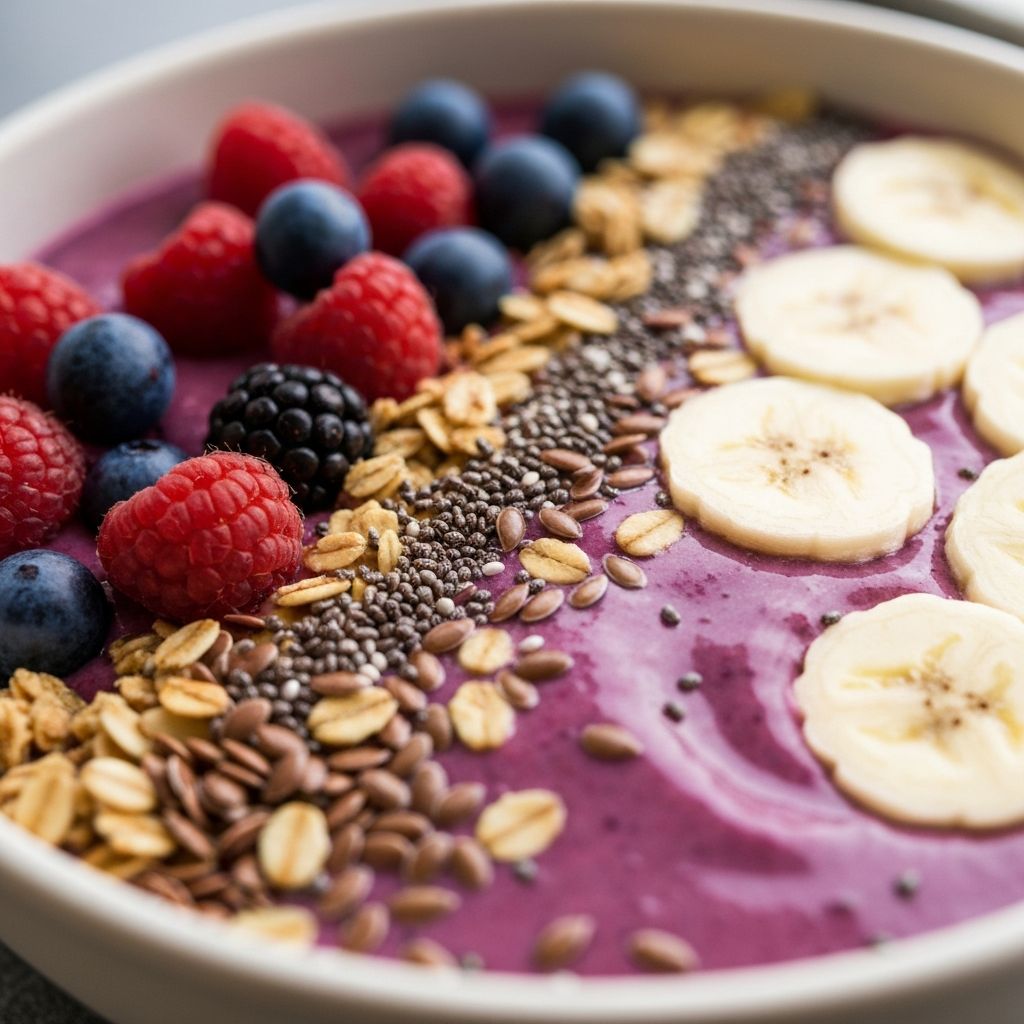
Nutrient-Dense Breakfast
This smoothie bowl demonstrates how multiple nutrient-dense foods can be combined: blended fruits provide vitamins and natural sugars, topped with fresh berries for antioxidants, nuts and seeds for healthy fats and minerals, and granola for whole grains and fiber.
Such breakfast options illustrate how different textures and flavors can be combined while providing a variety of nutrients. This is an educational example of meal composition, not a recommendation for any specific dietary pattern.
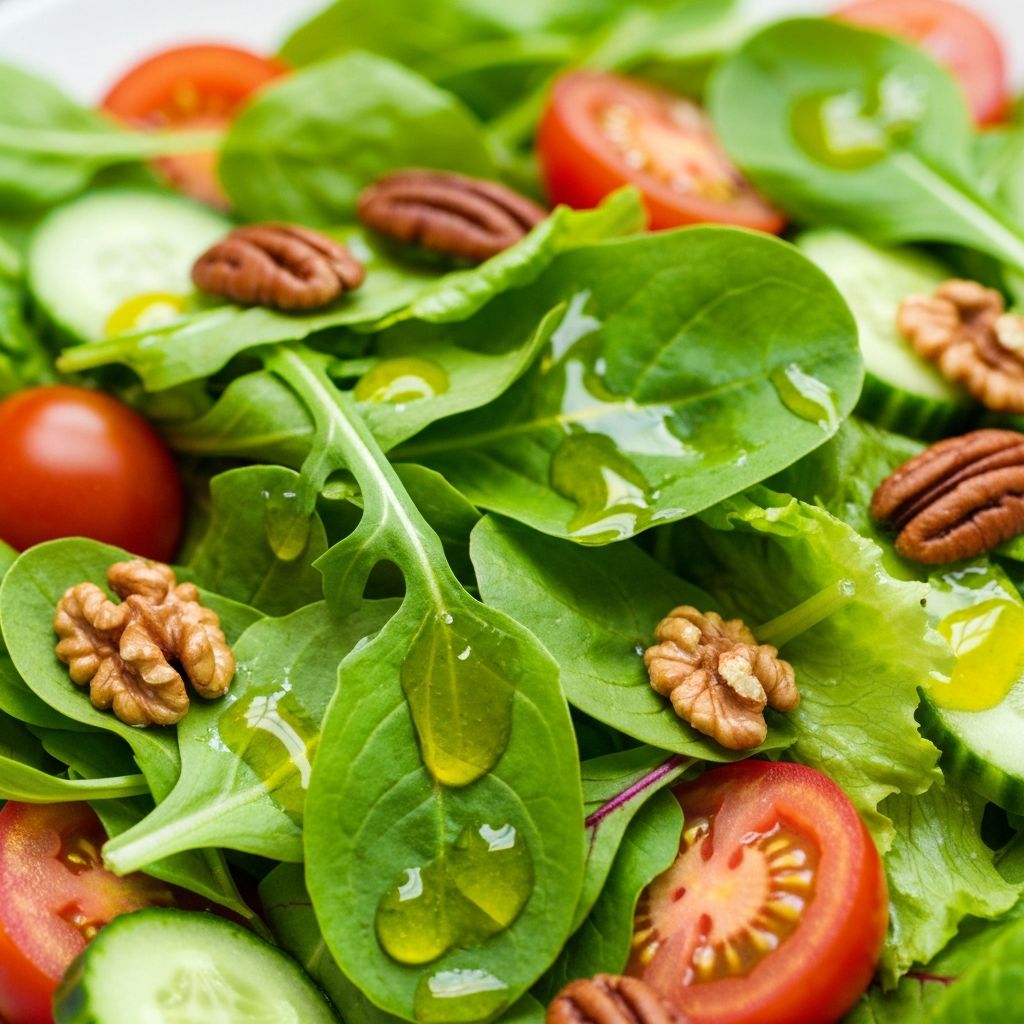
Fresh Salad Composition
This mixed green salad example shows dietary variety: dark leafy greens provide folate and vitamin K, colorful vegetables like tomatoes and cucumbers add vitamin C and hydration, nuts contribute healthy fats and protein, and olive oil dressing provides monounsaturated fats.
Salads can be customized with different vegetables, proteins, and dressings. This versatility makes them useful for understanding how various food components contribute to overall nutrition.
References and Studies
Educational sources and scientific context
Nutritional Science Resources
The information presented on this educational website is based on established nutritional science principles found in peer-reviewed research, textbooks, and public health resources. Nutrition is a scientific field that continues to evolve with ongoing research.
Major health organizations and research institutions publish dietary guidelines and nutritional recommendations based on accumulated scientific evidence. These guidelines are periodically updated as new research emerges.
Understanding Research Context
Nutritional research includes various study types: epidemiological studies that observe populations over time, intervention studies that test specific dietary changes, and mechanistic studies that explore how nutrients function in the body.
Each research type has strengths and limitations. Understanding the context of research findings is important for interpreting nutritional information. This website provides general educational information, not analysis of specific studies.
Continuing Education
Nutrition is a complex field intersecting biology, chemistry, medicine, agriculture, and social sciences. Those interested in deeper learning can explore academic resources, textbooks, courses, and reputable scientific publications.
Critical thinking is important when evaluating nutritional information. Reliable sources include academic institutions, peer-reviewed journals, and established health organizations rather than commercial entities or unverified online sources.
Community Knowledge Hub
Sharing educational nutrition information
Educational Purpose
This website serves as an educational resource about vitamins, minerals, and nutrition principles. It aims to provide information that helps people understand the basics of balanced nutrition and food sources of nutrients.
The content is informational in nature and describes nutritional concepts, food sources, and dietary patterns. It does not provide personal advice or recommendations for individual circumstances.
Information Sharing
Knowledge about nutrition can empower people to make informed choices within their own contexts. Understanding where nutrients come from, how they function, and how dietary patterns can vary adds to general nutritional literacy.
This resource is one of many available educational tools. Readers are encouraged to consult multiple sources and seek professional guidance for personal nutritional questions or health concerns.
Information and Context
The content on this website is educational and informational in nature. It explains general principles about vitamins, nutrients, and food sources. This information does not constitute individual guidance, recommendations, or advice. Personal nutritional needs vary based on numerous factors. This resource does not replace consultation with qualified professionals for personal circumstances. The information describes various approaches and perspectives found in nutritional science without endorsing specific behaviors or outcomes.